
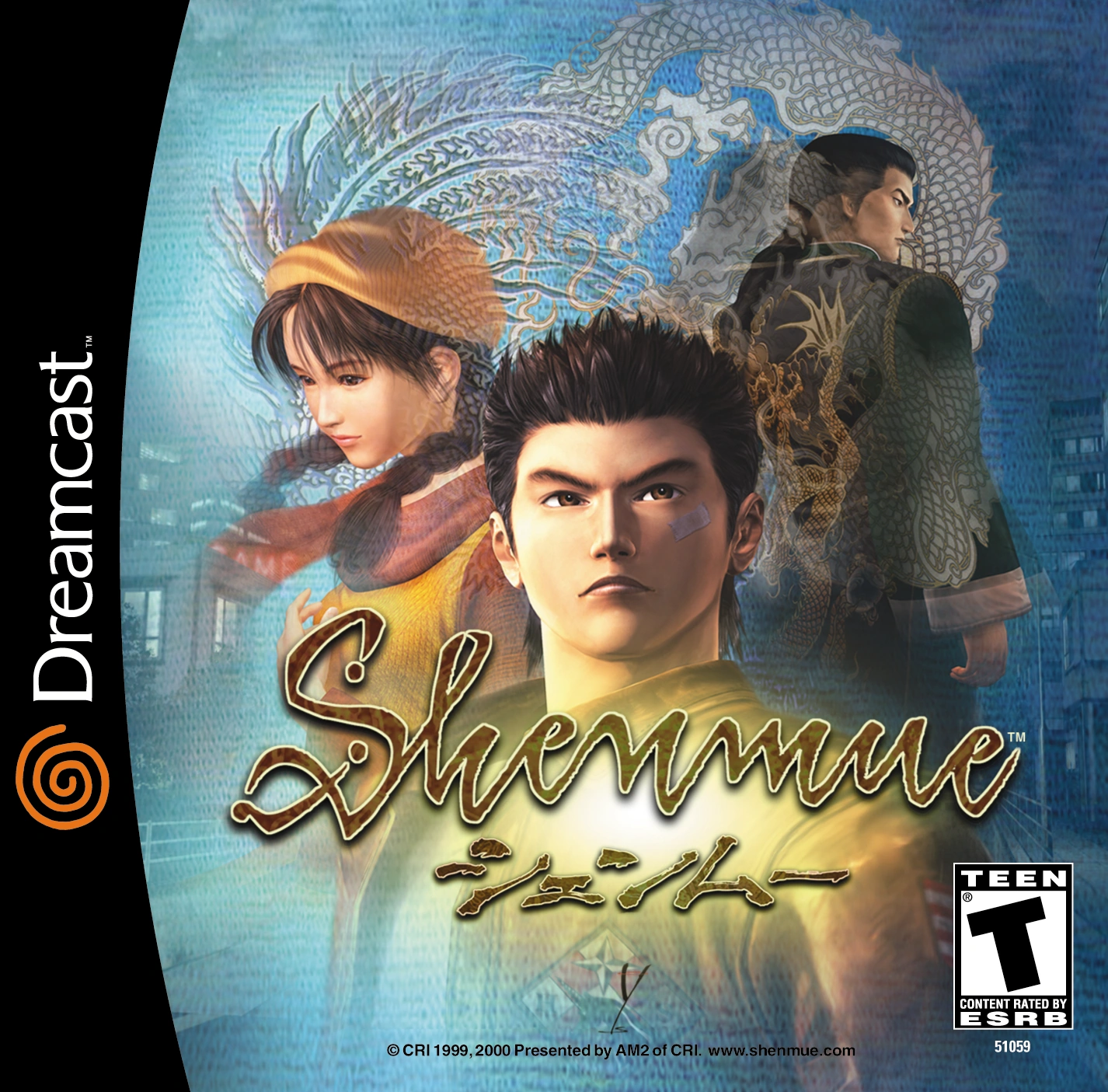

On December 29, 1999—26 years ago today—Sega released Shenmue in Japan for the Dreamcast, a groundbreaking open-world action-adventure directed by Yu Suzuki. Born from a 1993 concept that evolved through RPG iterations and impressed Steven Spielberg, the game boasted a massive $47–70 million budget and over 300 developers. Innovations like real-time cutscenes, motion-captured combat, and weather modeled on 1986 Yokosuka data defined its creation, despite delays. It launched to explosive success, selling 260,000 copies in its first week and over 380,000 by early 2000, accounting for 32% of its 1.2 million global lifetime sales.
Players embody Ryo Hazuki in a vividly alive 1986 Yokosuka, avenging his father’s murder through a world teeming with NPC routines, dynamic day-night cycles, part-time jobs like forklift racing, arcade games, and pioneering Quick Time Events. Hailed as a technical marvel with an 89% critical aggregate, Shenmue struggled commercially but became a cult phenomenon. Sadly, even with the acclaim, low sales of Dreamcast and Sega’s eventual exit from the hardware business stopped Shenmue from recovering development cost, and held Shenmue back from becoming the large-scale series Yu Suzuki had intended.
To countless gamers, the Shenmue series is a sacred touchstone—a mesmerizing fusion of revenge saga, everyday simulation, and unparalleled immersion that captured hearts in 1986 Yokosuka and never let go, inspiring pilgrimages to real-life locations, unbreakable fan communities like Shenmue Dojo, and an unyielding chant for Shenmue IV even 26 years after its Japanese debut today. In the industry, Yu Suzuki’s audacious blueprint pioneered open-world persistence, Quick Time Events, and lived-in NPC routines, influencing titans like Grand Theft Auto III, Yakuza, and beyond; cemented by BAFTA’s 2025 public poll naming it the most influential video game ever—beating Doom and Super Mario Bros.—its legacy affirms that true innovation transcends sales, etching an eternal dragon into gaming history