


The video game industry has lost two idustry icons in less than a week. It’s a week of deep mourning as these industry legends had contributed to not only the birth of an industry, but also to modern gaming as well.
On February 10, Shutaro Iida, the brilliant director behind Bloodstained and the unsung hero of modern Castlevania, passed away at 52 after a battle with cancer. Three days later, on February 13, Hideki Sato, the legendary “Father of Sega Hardware,” died at 75.
If you grew up holding a Sega controller or exploring a gothic castle on a Game Boy Advance, these two men essentially architected your childhood. Yet, in typical industry fashion, they were often the ones standing just outside the spotlight.
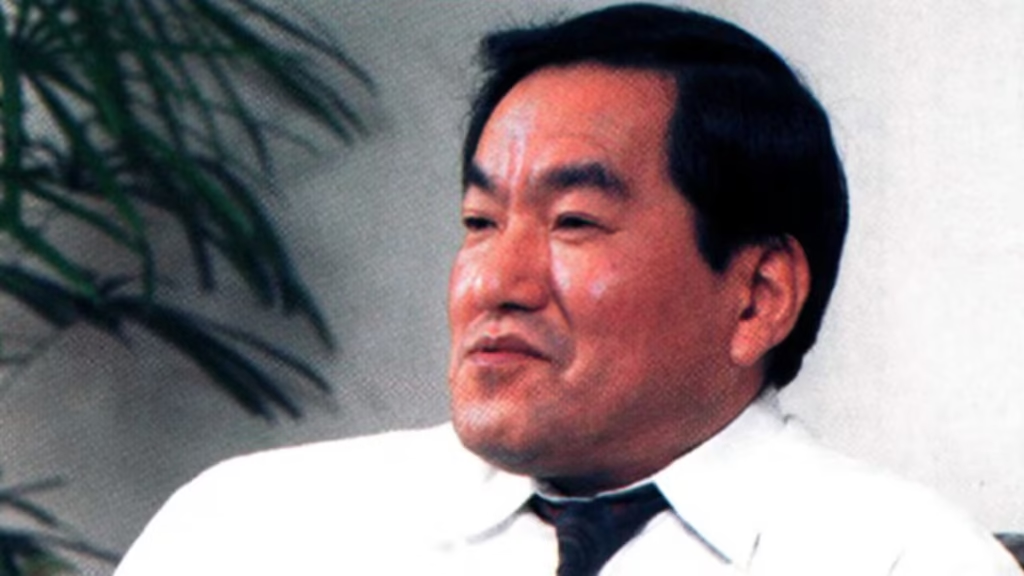
The Architect: Hideki Sato
You might not know Sato’s face, but you definitely know his work. He didn’t just work at Sega; he built Sega.
Starting as an engineer in 1971, Sato led the teams that designed virtually every piece of home hardware the company ever released. The Master System? That was him. The Genesis/Mega Drive? Him. The Saturn and the Dreamcast? All Sato.
He was the guy in the engine room while everyone else was looking at Sonic.
What makes his story so poignant, though, is how it ended. Sato wasn’t just there for the glory days; he was the one who had to turn off the lights. He became President of Sega in 2001, right as the Dreamcast was being discontinued. He was the leader who had to make the impossible call to exit the hardware business—dismantling the very division he had spent 30 years building—to save the company.
That takes a level of dignity and pragmatism that is rare in this business. He saved Sega by sacrificing his own life’s work.
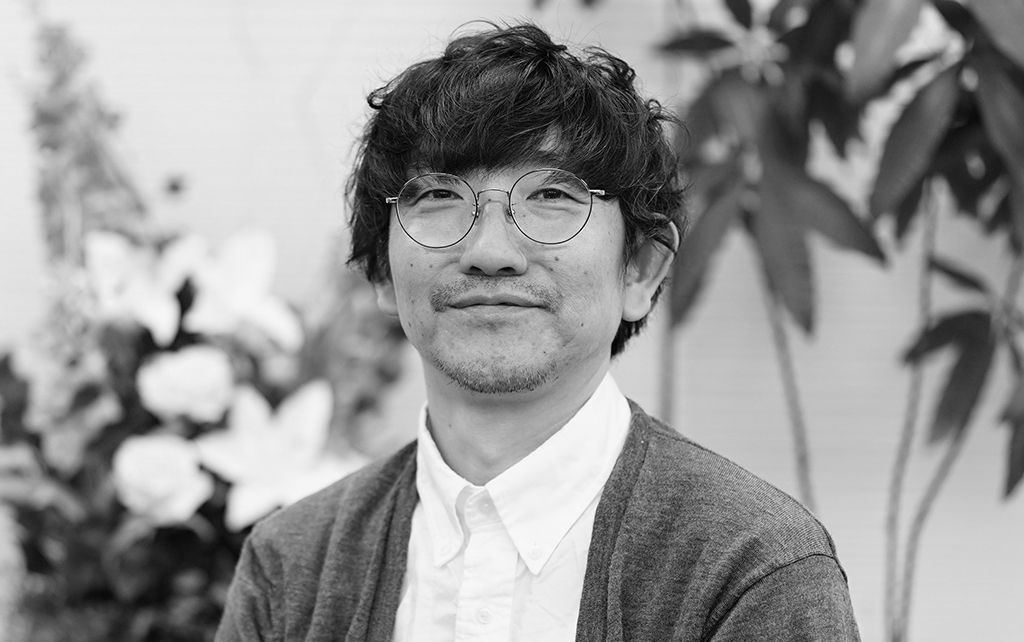
The Craftsman: Shutaro Iida
If Sato built the stage, Shutaro Iida was the one who knew exactly how to light it.
Known affectionately to fans as “Curry the Kid” or “Curry Sage,” Iida was a wizard of the “Metroidvania” genre. While Koji Igarashi (IGA) became the face of Castlevania, Iida was the programming genius in the trenches making sure the gameplay felt perfect.
His resume is ridiculous. He was a chief programmer on the Nintendo DS trilogy (Dawn of Sorrow, Portrait of Ruin, Order of Ecclesia) and Aria of Sorrow on the GBA. If you’ve ever marveled at how tight and responsive those games feel, you’re admiring Iida’s code.
When he followed Igarashi to form ArtPlay, he finally stepped into the director’s chair for Bloodstained: Ritual of the Night. It was a massive success, and he was deep into development on the sequel, Bloodstained: The Scarlet Engagement, when he passed.
The most heartbreaking detail? He was working until the very end. His colleagues have said the sequel is in its final stages and “imbued with his spirit,” promising to finish it just the way he wanted.
The End of an Era
Losing them both in the same week feels like the closing of a chapter.
Sato represented the golden age of the “Console Wars,” a time when engineers were cowboys trying to figure out how to bring the arcade into the living room. Iida represented the mastery of the 2D form, proving that pixel art and side-scrolling action could be just as deep and complex as any 3D blockbuster.
They’re gone, but the machines Sato built are still humming in living rooms around the world, and the castles Iida designed are still being explored.